

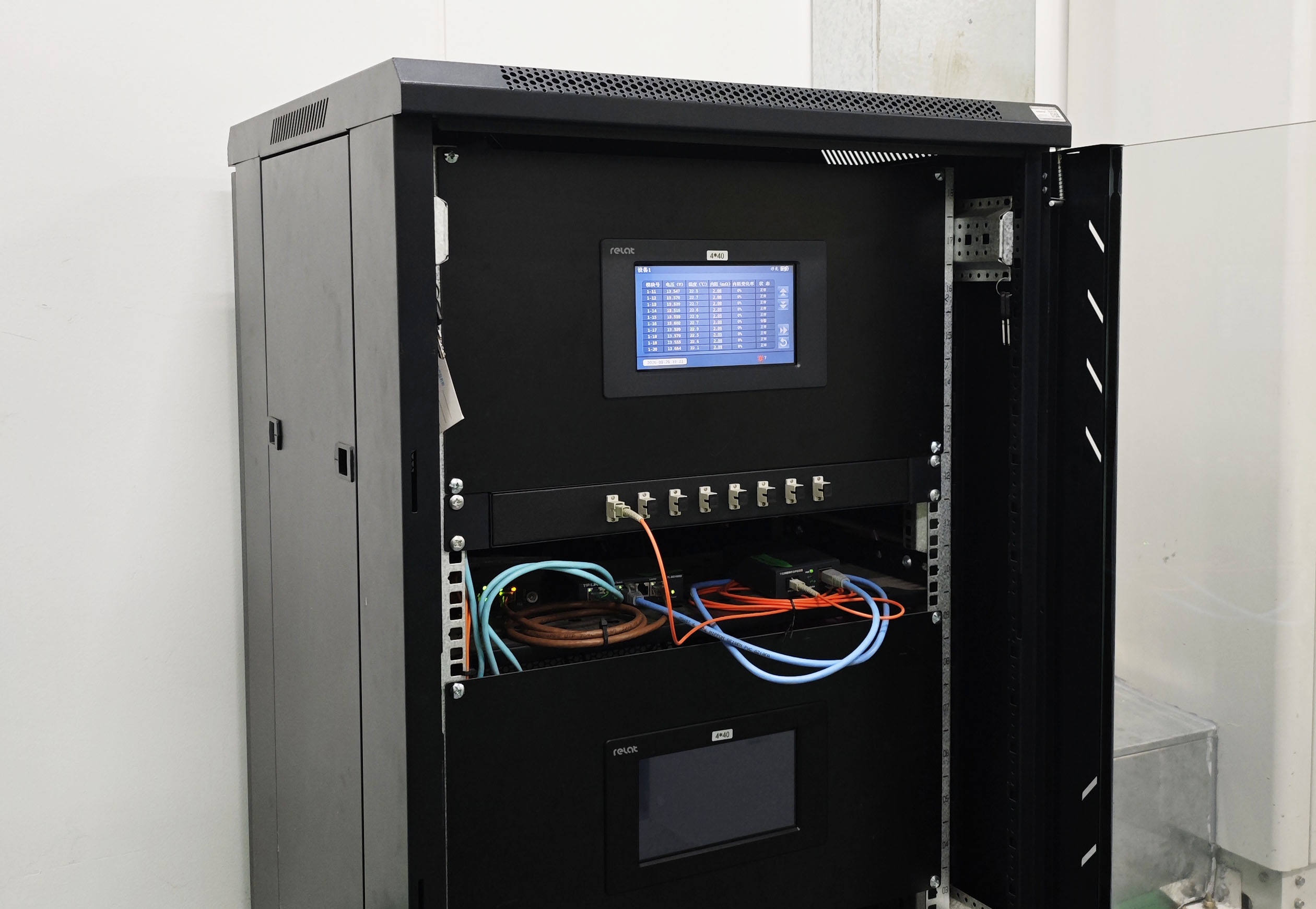
Autumn winds rise, the summer heat recedes, maple leaves gradually turn red, and the evening breeze grows cool. As the season shifts from intensity to calm, the challenges facing data centers never leave with the seasons: day-night temperature differences, humidity fluctuations, float-charging aging… each quietly erodes the reliability of backup power.
Recently, our company successfully completed the installation and commissioning of battery monitoring modules for China Guangfa Bank’s equipment room, helping the customer fortify the defense line for power security. What exactly is an online battery monitoring system “monitoring”? Among those dense rows of data, which few numbers are the real “arbiters of life and death”?
Sensing temperature to detect danger—temperature monitoring is very important. Batteries can achieve a longer lifespan in a 20–25°C environment. An online monitoring system places temperature probes on the terminal posts of each battery. When the system finds that the temperature of a certain battery rises abnormally and exceeds the threshold, it immediately triggers an over-limit alarm, providing advance warning against the risk of thermal runaway.
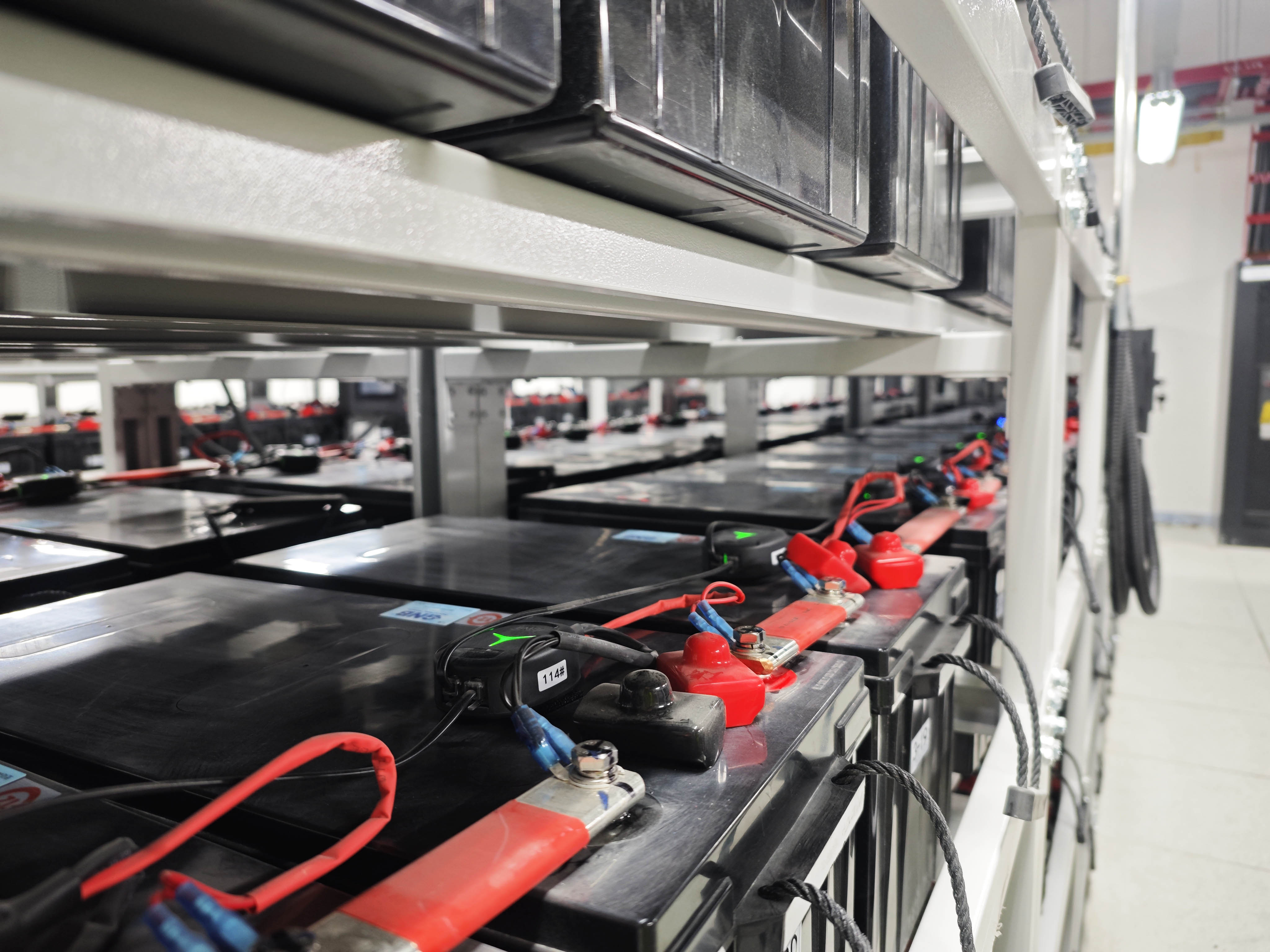
An online battery monitoring system is not about watching meters. For online monitoring, the emphasis is on being online, and the value is in early warning. Its purpose is not to tell you “the battery is bad” after something happens, but to tell you three months before an incident: “The internal resistance of this battery has already exceeded the limit; replacement is recommended.” That is what the system is really “monitoring”—it monitors time, safety margin, and the basis for decisions that help O&M personnel solve the problems of “failing to detect anomalies, failing to measure internal resistance accurately, and failing to perform preventive maintenance well.”


