

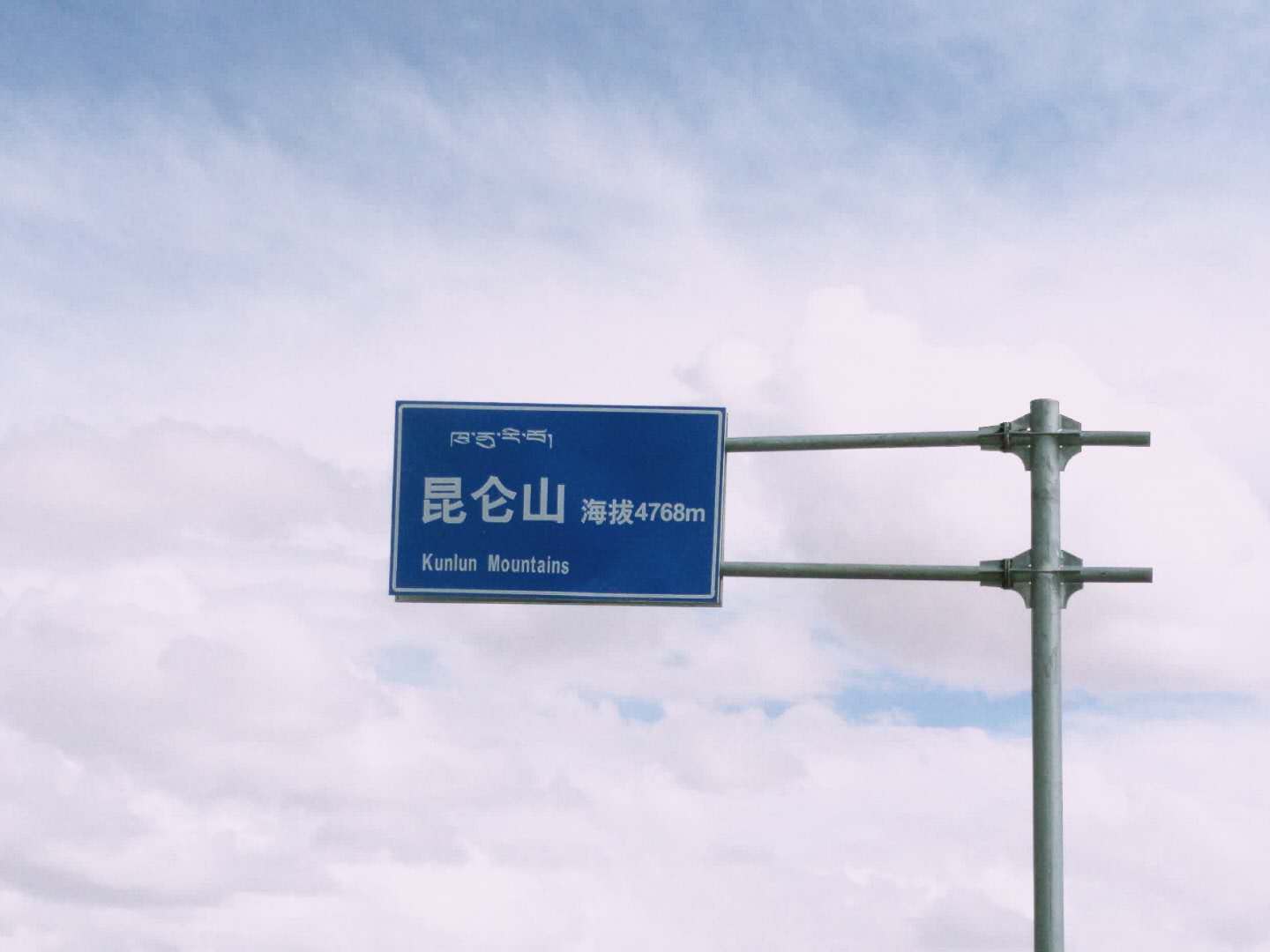
The Golmud–Lhasa section of the Qinghai–Tibet Railway is the world’s highest-altitude railway, with the longest route and the longest continuous permafrost stretch. It crosses the Kunlun Mountains and the Hoh Xil uninhabited area, and climbs over the Tanggula Mountains. Along the line, extreme hypoxia, complex geology, and an average altitude exceeding 4,000 meters impose severe demands on the railway’s communication, signaling, and power support systems. Our company has successfully deployed battery monitoring systems at multiple stations along the Golmud–Lhasa section, delivering reliable power assurance for this high-altitude rail artery.
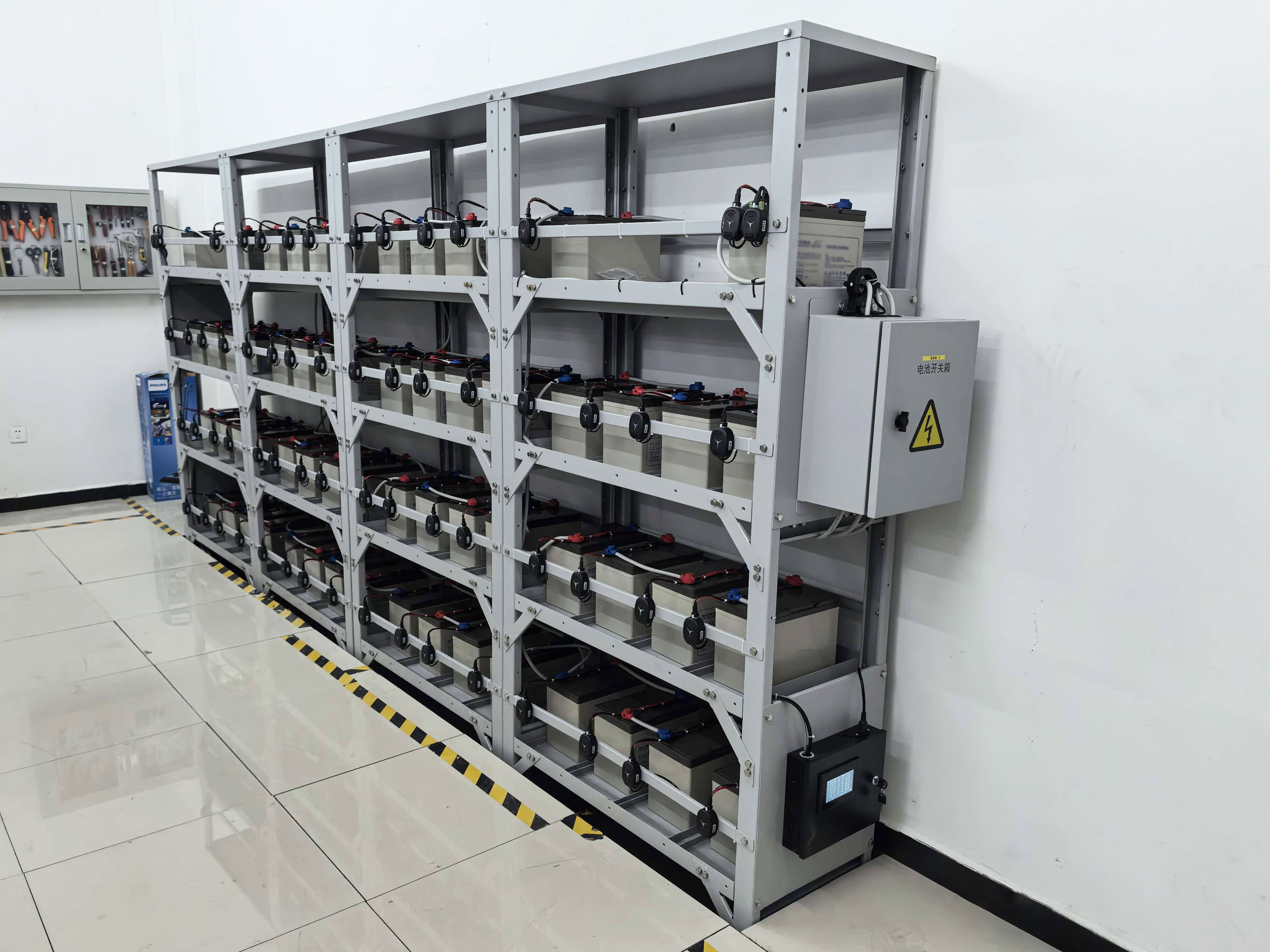
On the plateau, material and human resources are extremely precious. By shifting from "manual patrols" to "data travel," we enable precise intervention at the turning point of battery performance deterioration, greatly reducing the frequency of field inspections under harsh plateau conditions. This project marks a critical step in transforming power management on the Golmud–Lhasa section from "scheduled maintenance" to "condition‑based maintenance." This data‑driven smart maintenance approach significantly lowers operational risks and upkeep costs on the plateau.We salute our engineers. Under the tough conditions of hypoxia and intense UV radiation, they braved the bitter cold and worked with professionalism and dedication, providing the sturdiest power guarantee for the "Sky Road."


